The Question We Hear at Our Tables
People ask us often whether homemade pasta really tastes different from the boxed kind at the store. The short answer is yes, and the difference is easy to feel with the very first bite. At our Southeast Portland kitchen on Powell Blvd, we have been making pasta the old way since 1978. That is more than 40 years of rolling dough by hand.
This is not about being fancy or charging more for a trend. It is about texture, flavor, and how a noodle holds its sauce on the fork. Below we walk through what changes when pasta is made fresh, and we point out exactly where you can taste it on our menu.
Fresh Versus Dried: What Actually Changes
Dried pasta is built for a long shelf life on a store rack. It uses hard semolina and water, then dries firm so it can sit in a box for many months. Fresh pasta is a different food, made with softer flour and eggs, then cooked within hours of being shaped.
That change in ingredients changes almost everything about the plate. Fresh noodles cook faster, feel softer, and carry a richer flavor from the egg in the dough. Dried pasta has its place in a busy pantry, but it cannot match the tenderness of a sheet rolled that same morning. The two are cousins, not twins.
Texture You Can Feel With Your Fork
The first thing most diners notice is the bite. Fresh pasta has a gentle chew that gives way cleanly, without the firm snap of a dried noodle. It feels almost silky as it slides against the sauce. Your fork meets less resistance, and the whole plate eats softer.
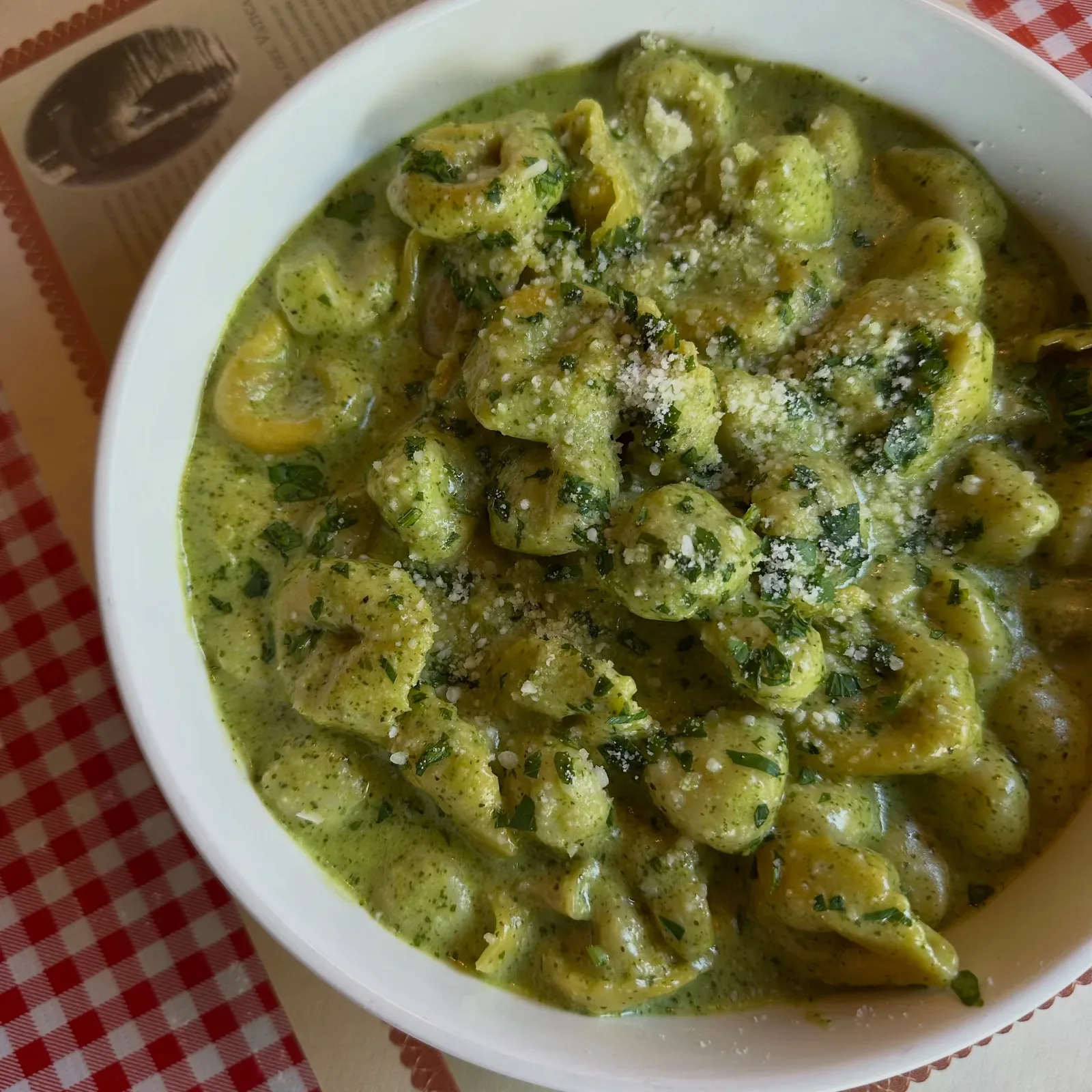
This tender texture matters most in dishes where the pasta itself is the star. A plate of ravioli or a bowl of gnocchi lives or dies on how the dough feels in the mouth. When it is made fresh, each piece stays soft and pillowy instead of turning dense or gummy. That lightness is the whole point of shaping it by hand.
Why Sauce Clings Better to Fresh Pasta
Fresh pasta has a slightly porous, tender surface that grabs sauce and holds onto it. Dried pasta is smoother and firmer, so more of the sauce slides back down into the bowl. That grip is a big reason homemade noodles taste more complete on the plate. Every strand comes to your mouth already dressed.
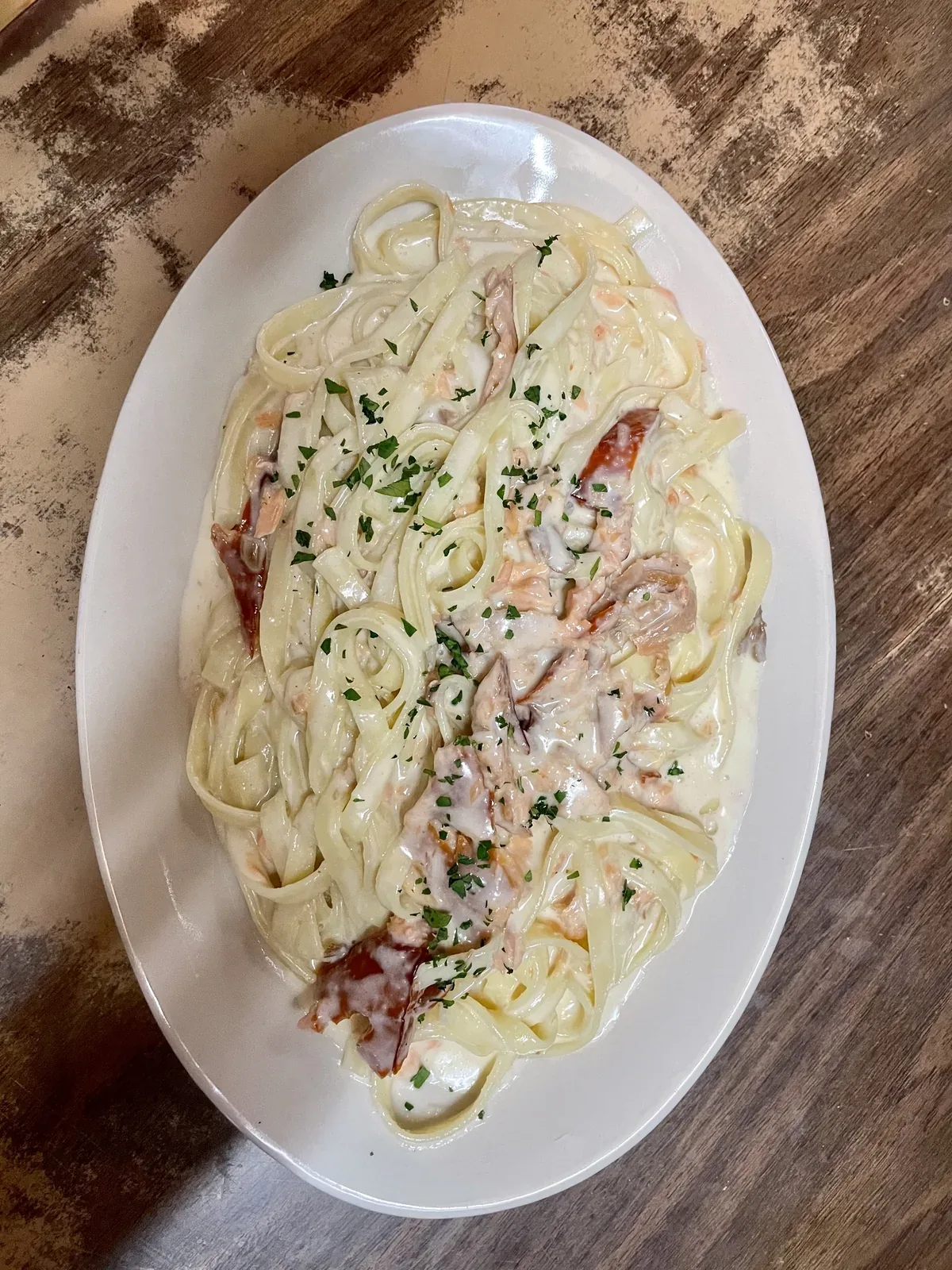
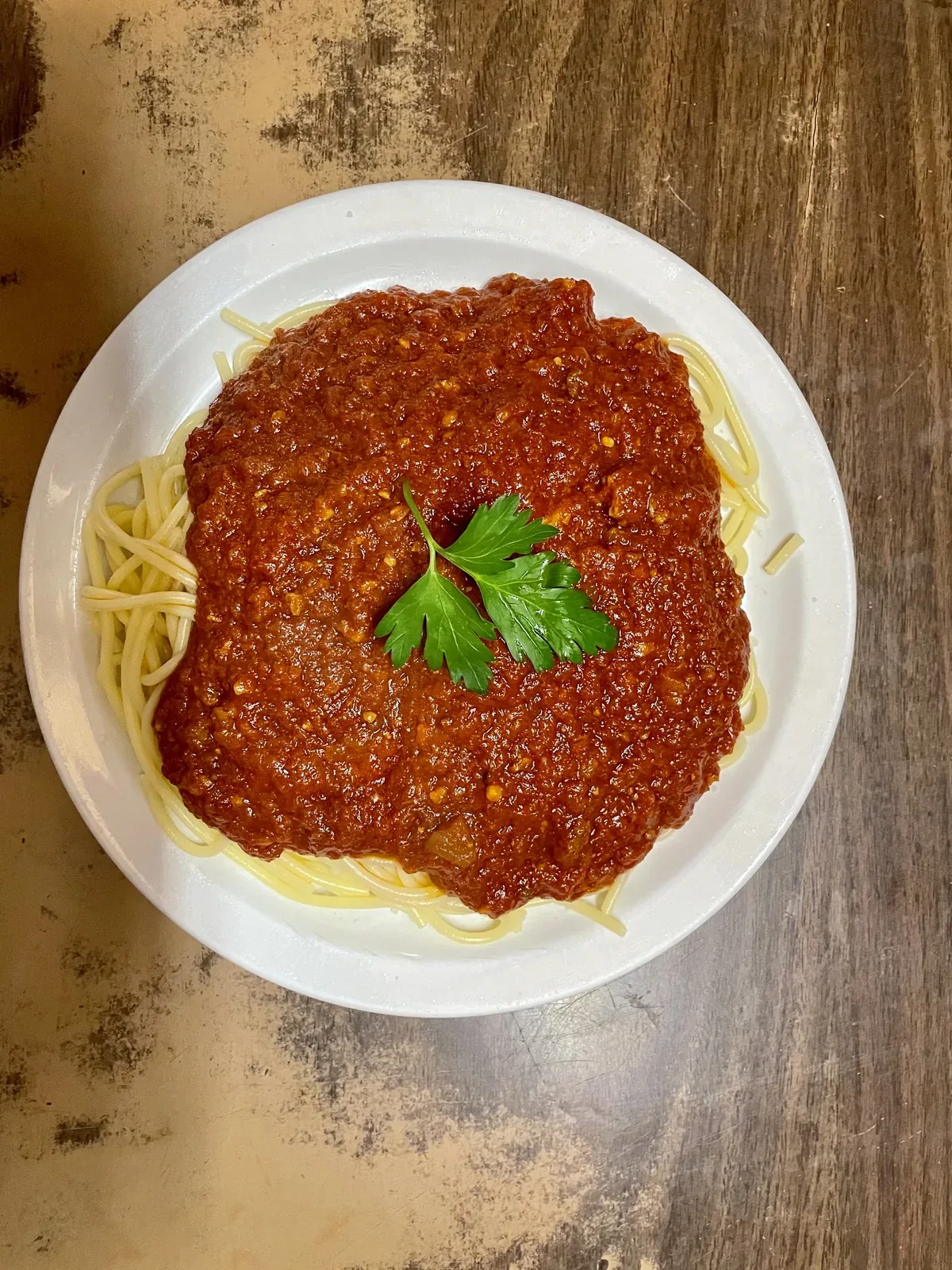
Think about our fettuccine alfredo as an example. A cream sauce needs a noodle that catches it, so that every forkful arrives fully coated instead of bare and slick. Fresh fettuccine does exactly that, which is why the dish tastes so rich without feeling heavy. The same holds for our marinara clinging to fresh spaghetti.
Flavor That Comes From the Dough Itself
Boxed pasta mostly tastes like whatever sauce you put on top of it. Fresh pasta brings its own flavor, a soft wheat and egg note that adds depth right under the sauce. You taste the pasta itself, not just the topping. That extra layer is subtle but real once you notice it.
That base flavor is why simple dishes work so well when the pasta is right. A plate of spaghetti with our house marinara does not need much when the noodle already carries real character. The tomato, garlic, and herbs sit on top of a pasta that tastes like something on its own. Good ingredients need less dressing up.
How We Make Pasta Fresh in Our Kitchen
We roll and shape pasta in house using recipes carried down through the DeNicola family. Rosina and Giovanni started this restaurant in 1978, and the same hands-on approach still runs the kitchen today. Our family mixes the dough, rolls it out, and cuts it fresh through the week. Nothing about it is rushed or outsourced.
Making pasta by hand takes time and care, and we would not do it any other way after all these years. It is part of what keeps our food tasting like a home kitchen instead of a factory line. That difference is exactly why we still bother. You can read more in our piece on why handmade pasta still matters in Portland.
Where Fresh Pasta Shines on Our Menu
Some dishes show off fresh pasta far more than others. These are the plates where our regulars taste the difference right away, without anyone pointing it out. If you want to understand the fuss, start with one of these.
- Ravioli, where tender pockets hold their filling without turning tough or chewy
- Fettuccine alfredo, where soft ribbons catch every bit of the cream sauce
- Gnocchi, those light potato dumplings that need a truly gentle hand
- Lasagna, layered with fresh sheets that stay soft between the cheese and sauce
You can find these and many more on our pasta dinners menu. Each one leans on the same fresh dough we make in our own kitchen. There is no shortcut hiding on any of these plates.
Ravioli and Gnocchi: The Handmade Test
If you want to judge a kitchen on its pasta, order the ravioli or the gnocchi first. Both are dough-forward dishes, so there is nowhere to hide a shortcut or a stale batch. A stiff ravioli or a heavy, leaden gnocchi tells you the dough was rushed or made too far ahead. The proof is in that first forkful.
Ours come out soft and light because we take the time to get the dough right every day. The gnocchi stay pillowy and never gluey, and the ravioli hold their shape while still yielding to your fork. Pair either with a glass from our beverage list for a simple, satisfying meal.
Lasagna and Fettuccine: Sauce and Pasta in Balance
Baked and cream dishes ask a lot of the pasta underneath them. In lasagna, fresh sheets stay tender under the layers instead of going rubbery or dry at the edges. In fettuccine alfredo, the noodle has to stand up to a rich sauce without getting lost or turning to mush. Fresh dough handles both jobs well.
Fresh pasta keeps both dishes in balance from the first bite to the last. The noodle carries its own share of the flavor, so the sauce has a real partner instead of a passenger. That balance is what separates a memorable plate from a forgettable one. It is also why leftovers of our lasagna still taste good the next day.
How to Order Fresh Pasta for the Table
If you are dining with a group, order a mix so everyone can compare. Try one filled pasta like ravioli, one long noodle like fettuccine, and one baked dish like lasagna. Passing plates around the table is the best way to taste the range in a single visit. Nobody has to commit to just one favorite.
We also make many of these dishes travel well for pickup and delivery. Fresh pasta reheats gently at home if you go slow and add a splash of water to loosen the sauce. That way a weeknight dinner tastes close to what you would get at our table. Round it out with soup or a Caesar salad on the side.
New to our kitchen and unsure where to start? Ask your server which pasta the family is proud of that week. We are always glad to point a first-timer toward a dish they will remember.
Does Fresh Pasta Cost More to Make?
Fresh pasta does take more labor and more care than simply opening a box. It cannot be stocked far ahead, and it has to be shaped in smaller batches through the week. That is simply the trade for a better plate at the table. We accept it gladly.
It also means the pasta you eat was likely made only a day or two before. There is no warehouse and no long journey from a factory. That freshness is the quiet reason the plates taste the way they do.
We think the effort is worth it, and our regulars seem to agree after 40-plus years. Good pasta is the foundation of Italian cooking, so we always start there and build the rest of the plate around it. To see the full range of what we make, browse our complete menu. There is a dish for nearly every craving.
Come Share a Table in Portland
The best way to answer this question is to taste it yourself at 3520 SE Powell Blvd. Call us at (503) 239-5221 to plan a visit, or order online for pickup or delivery to your door. Start with a plate from our pasta dinners and let the noodle speak for itself. We will save you a seat.
Frequently Asked Questions
Is homemade pasta really different from dried pasta?
Yes, fresh pasta uses soft flour and eggs, so it cooks tender and carries its own gentle flavor. Dried pasta is firmer, smoother, and made mainly for a long shelf life.
Which DeNicola's dishes use fresh pasta best?
Our ravioli, gnocchi, fettuccine alfredo, and lasagna all lean on fresh dough. They are the plates where the tender texture and sauce cling show most clearly.
Why does sauce stick better to fresh pasta?
Fresh pasta has a tender, slightly porous surface that grabs and holds sauce. Smoother dried noodles let more of the sauce slide back into the bowl instead.
Can I order fresh pasta dishes for takeout?
Yes, you can order our pasta dishes for pickup or delivery online, or call us at (503) 239-5221. They travel well and reheat nicely at home with a splash of water.